HighLevel Notes help teams capture important details, track updates, and keep everyone aligned when working with contacts, opportunities, and company records. This article explains how Notes work in each module, highlights their benefits, and provides step-by-step guidance on adding, searching, filtering, and viewing notes. By the end, you’ll know how to use Notes to improve collaboration and maintain accurate records.
TABLE OF CONTENTS
- What are Notes in HighLevel?
- Notes in Contacts Module
- Access the Notes Section from Contacts
- Notes in Opportunities Module
- Notes in Companies Module
- How to Add a Note
- How to Search for Notes
- How to Sort Notes by Date Created
- How to Add Appointment Notes Across Related Records
- Frequently Asked Questions
- Relevant Articles
What are Notes in HighLevel?
Notes in HighLevel are an internal tool for documenting and tracking important information related to contacts, opportunities, and companies. They provide a centralized place for team members to log updates, reminders, or context that may be useful for future reference. Notes are strictly for internal use—clients cannot view them in their portal or through external communication.
Key Benefits of Notes
Using Notes effectively helps businesses maintain context and improve collaboration. Here are the main benefits:
- Centralized Record keeping: Keep important details in one place for easy reference.
- Internal Collaboration: Share context among team members without exposing it to clients.
- Improved Tracking: Document key updates like calls, payments, or follow-ups.
- Flexible Organization: Add, search, filter, and view notes across contacts, opportunities, and companies.
- Faster Prioritization: Pin critical notes to keep key context at the top of the timeline.
- Better Organization: Add note titles and color labels to structure notes and scan updates faster.
- Centralized Documentation: Attach files to notes to keep supporting documents with the related record.
Notes in Contacts Module
Each contact in HighLevel has its own Notes section where internal users can document updates specific to that contact.
- Notes are tied directly to the selected contact.
- You can add, search, and filter notes within the contact’s profile.
- Useful for logging call summaries, payment confirmations, or client preferences.
Access the Notes Section from Contacts
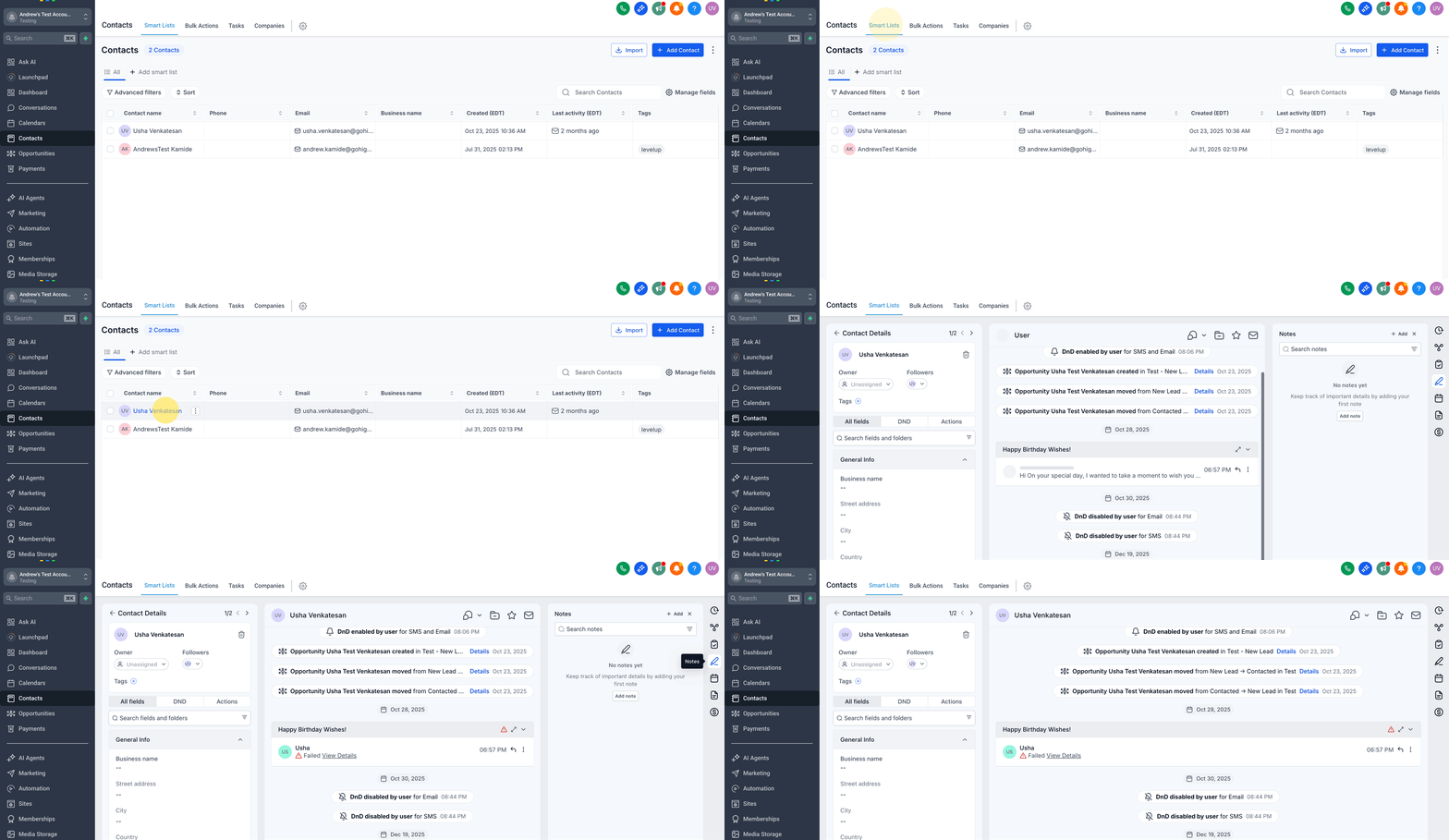
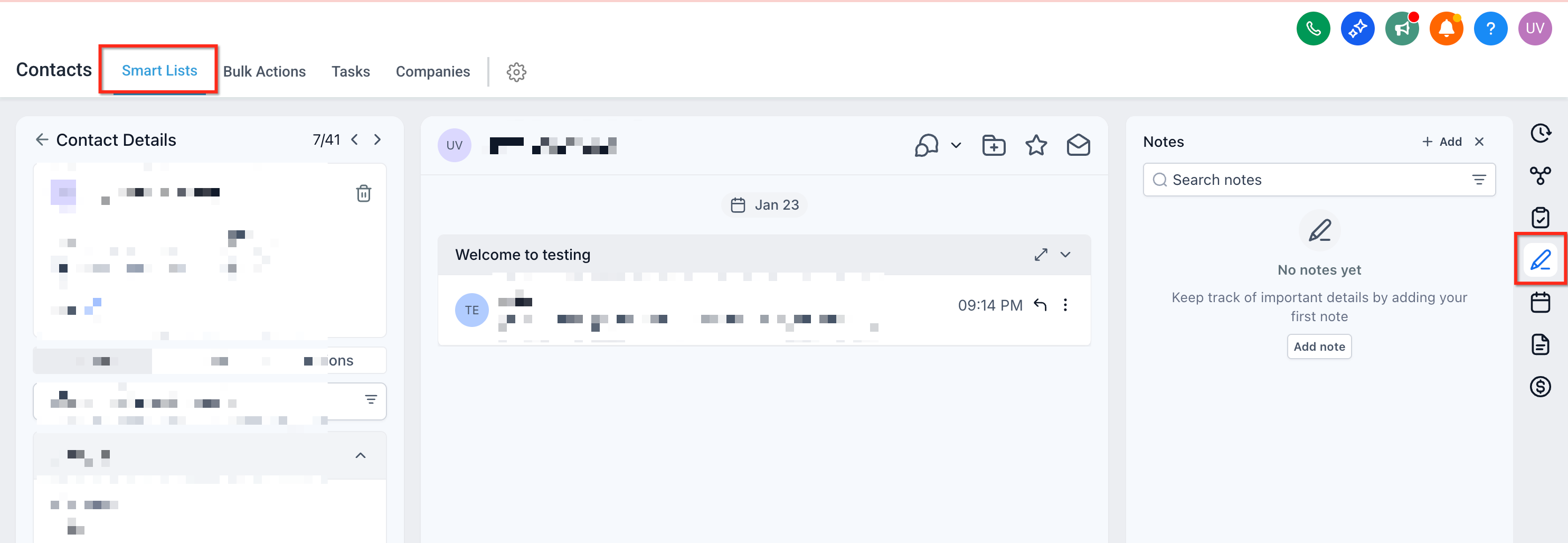
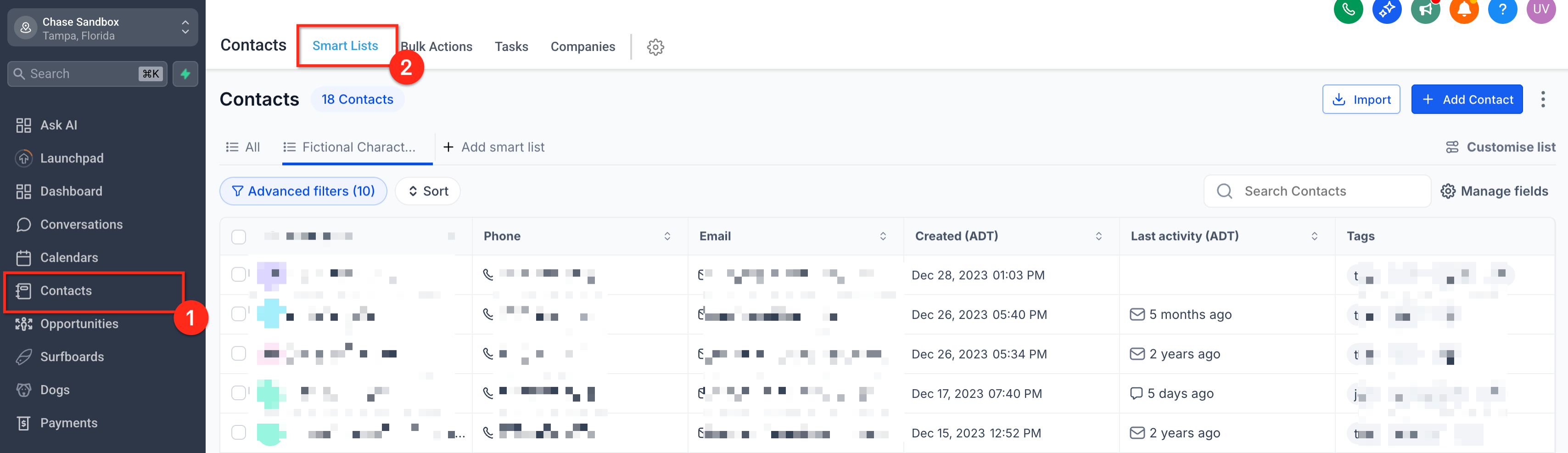
From within the Contacts module, click the Notes icon (pen and paper symbol) at the top of the contact’s record. This opens the Notes panel, where you can create, view, and manage notes related to that specific contact.
Notes in Opportunities Module
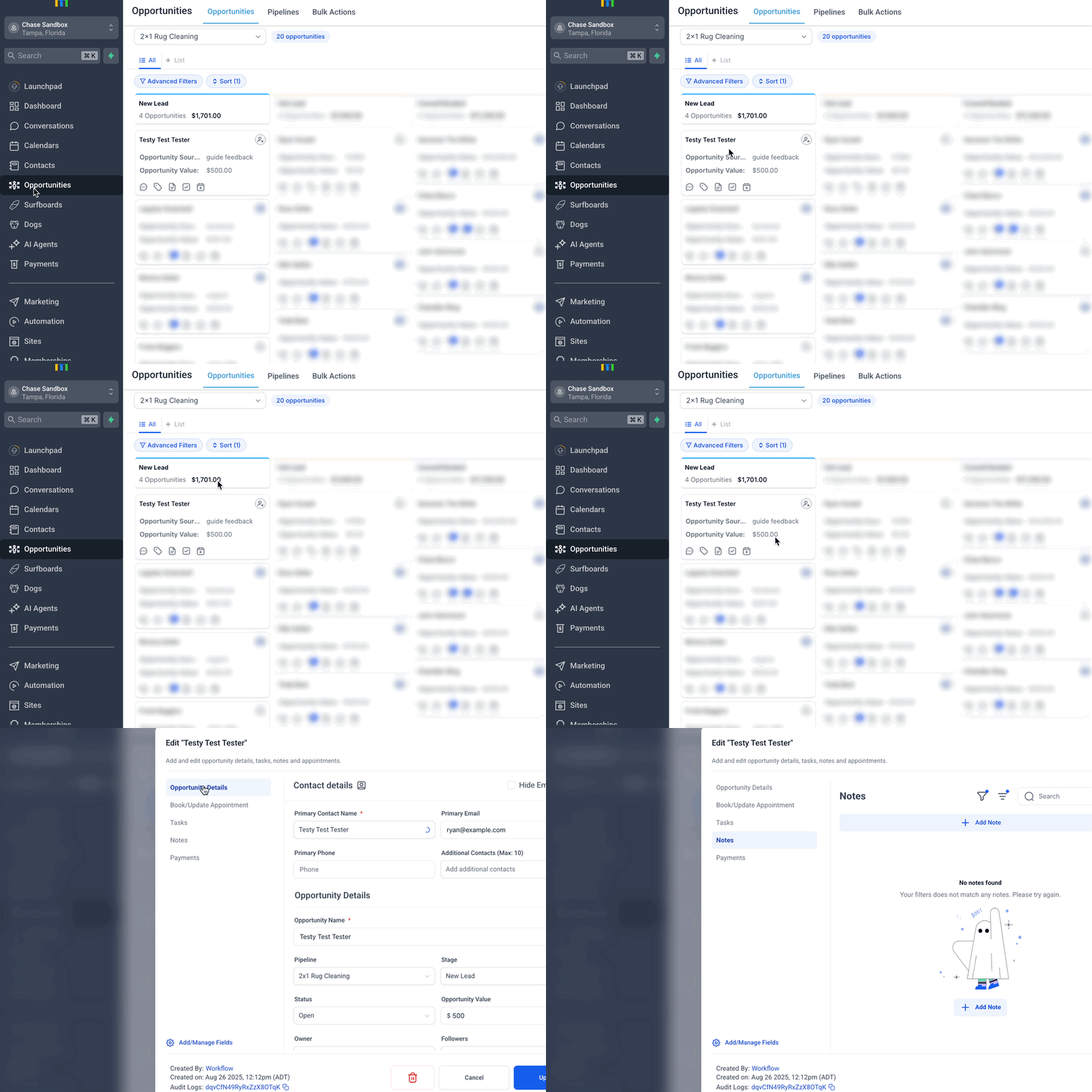
Opportunities provide a consolidated view of notes connected to the primary contact and related contacts.
- By default, you will see notes associated with the primary contact of the opportunity.
- Filters allow you to include additional contacts’ notes linked to the same opportunity.
- Useful for sales teams who need visibility into all interactions tied to a deal.
Notes in Companies Module
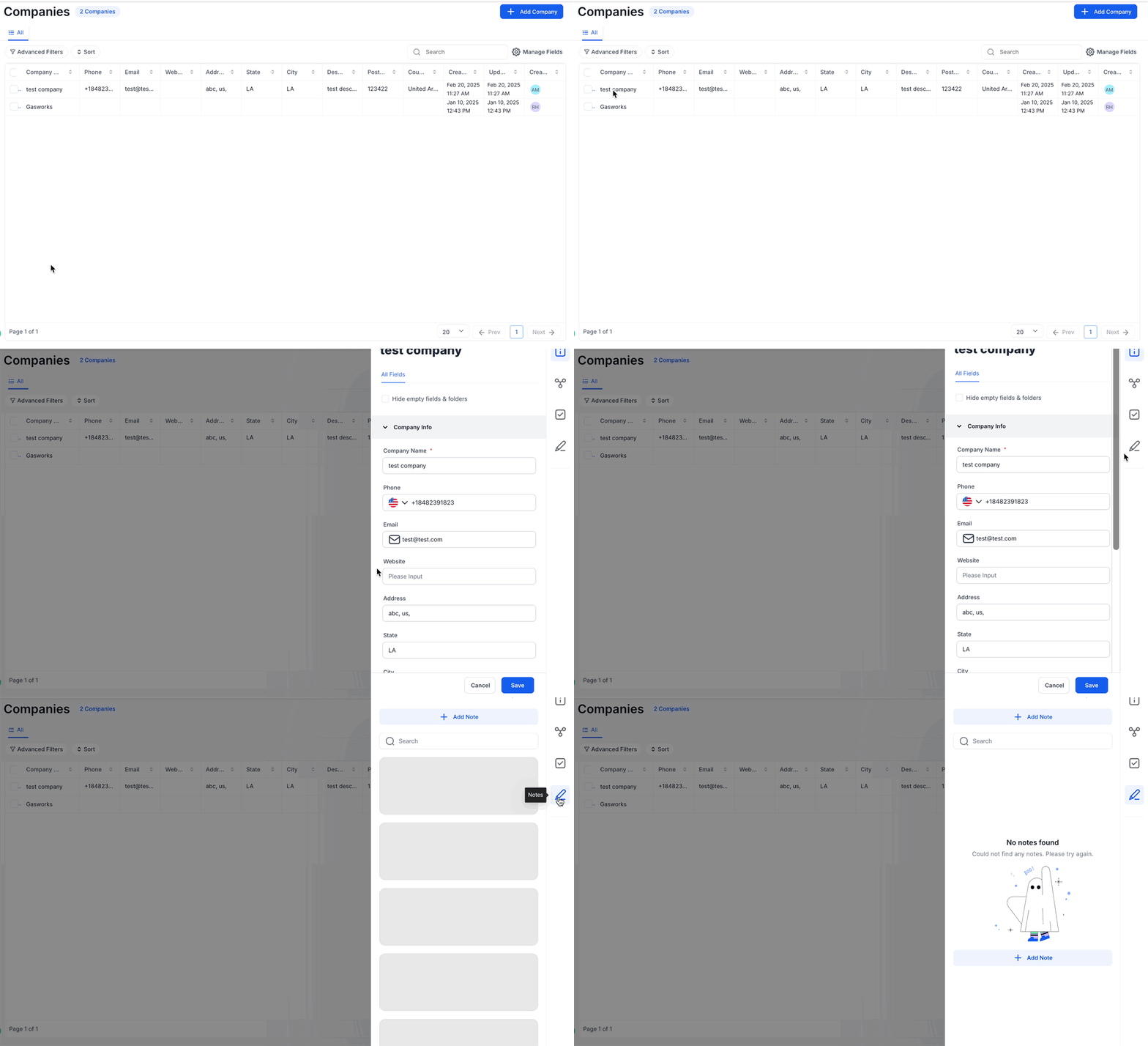
The Companies module aggregates notes across all contacts associated with a company.
- The Notes section shows discussions and updates across multiple linked contacts.
- This provides a company-wide perspective rather than being tied to one individual.
- Ideal for account managers handling multiple stakeholders within one business.
How to Add a Note
1. Navigate to the Notes tab within a Contact, Opportunity, or Company record.
2. Click on the Contact created and navigate to the Note icon available at the right pane. Click + Add Note.
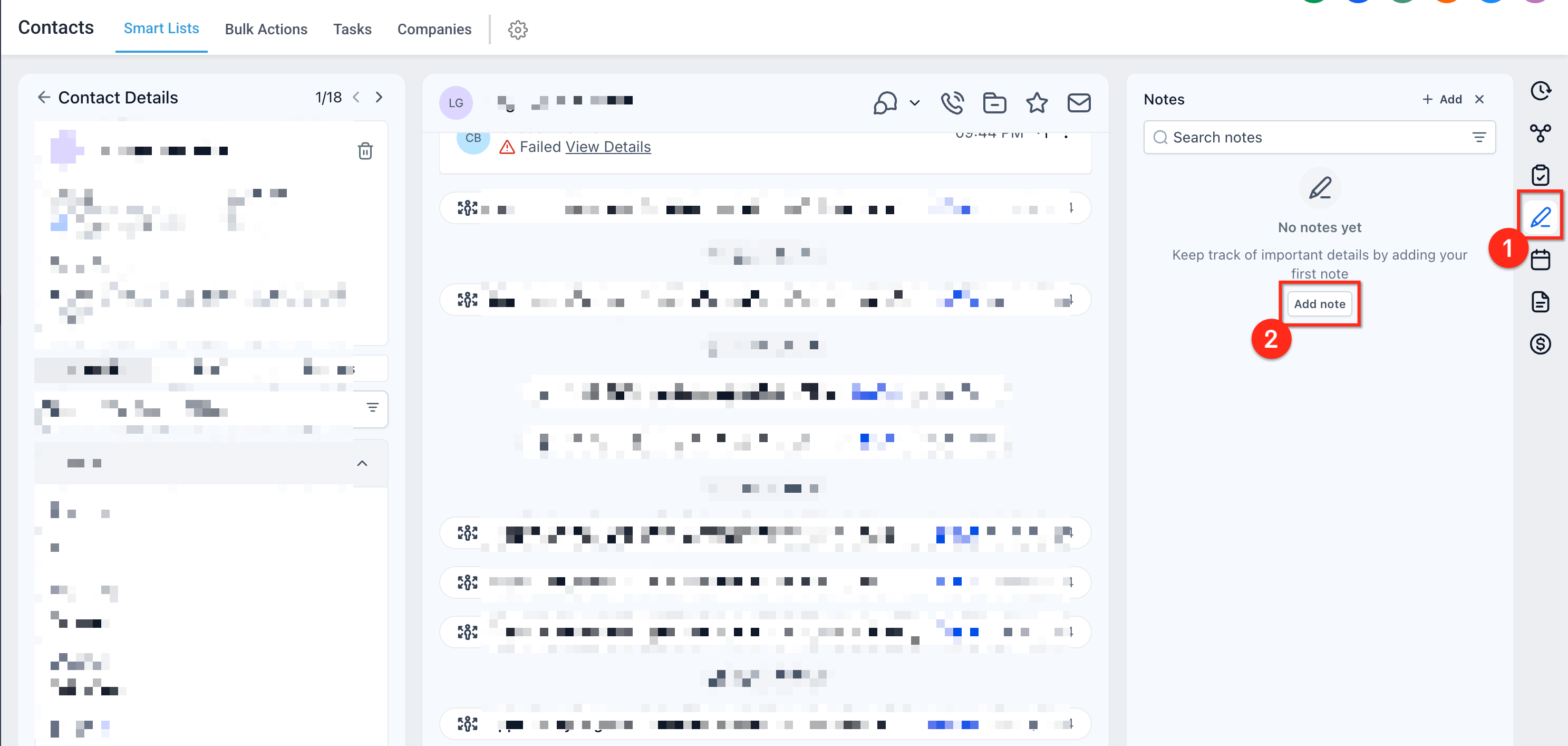
3. Enter a Title and Description.
4. Select a Color label to visually categorize the note.
5. Add Attachments to store supporting documents with the note.
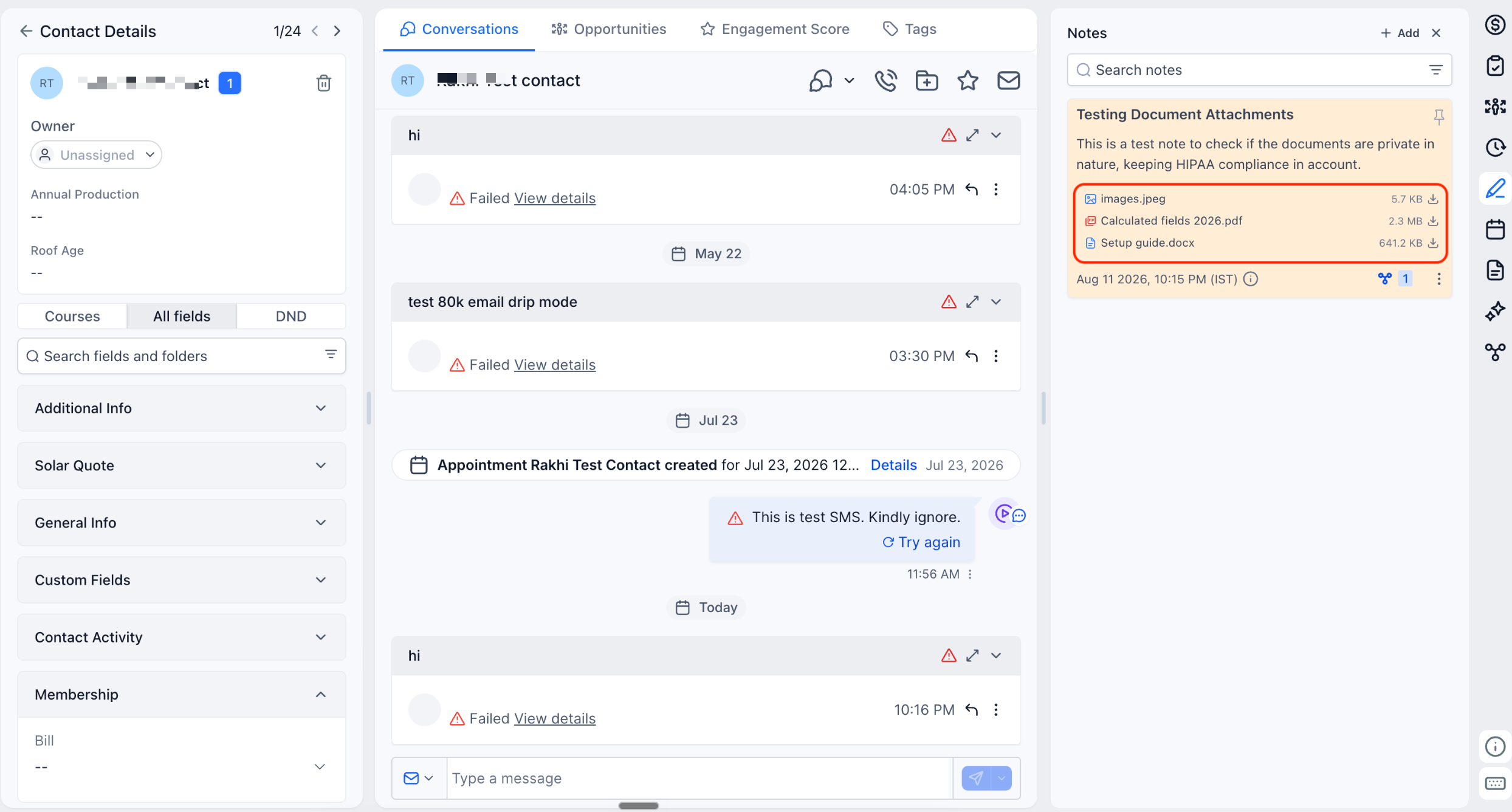
Note: New documents uploaded as Notes attachments are private by default and are stored in the "Notes attachments" folder under Documents. Documents uploaded through Notes before this update retain their existing public status.6. Click Save once you include your notes and other related details.
How to Search for Notes
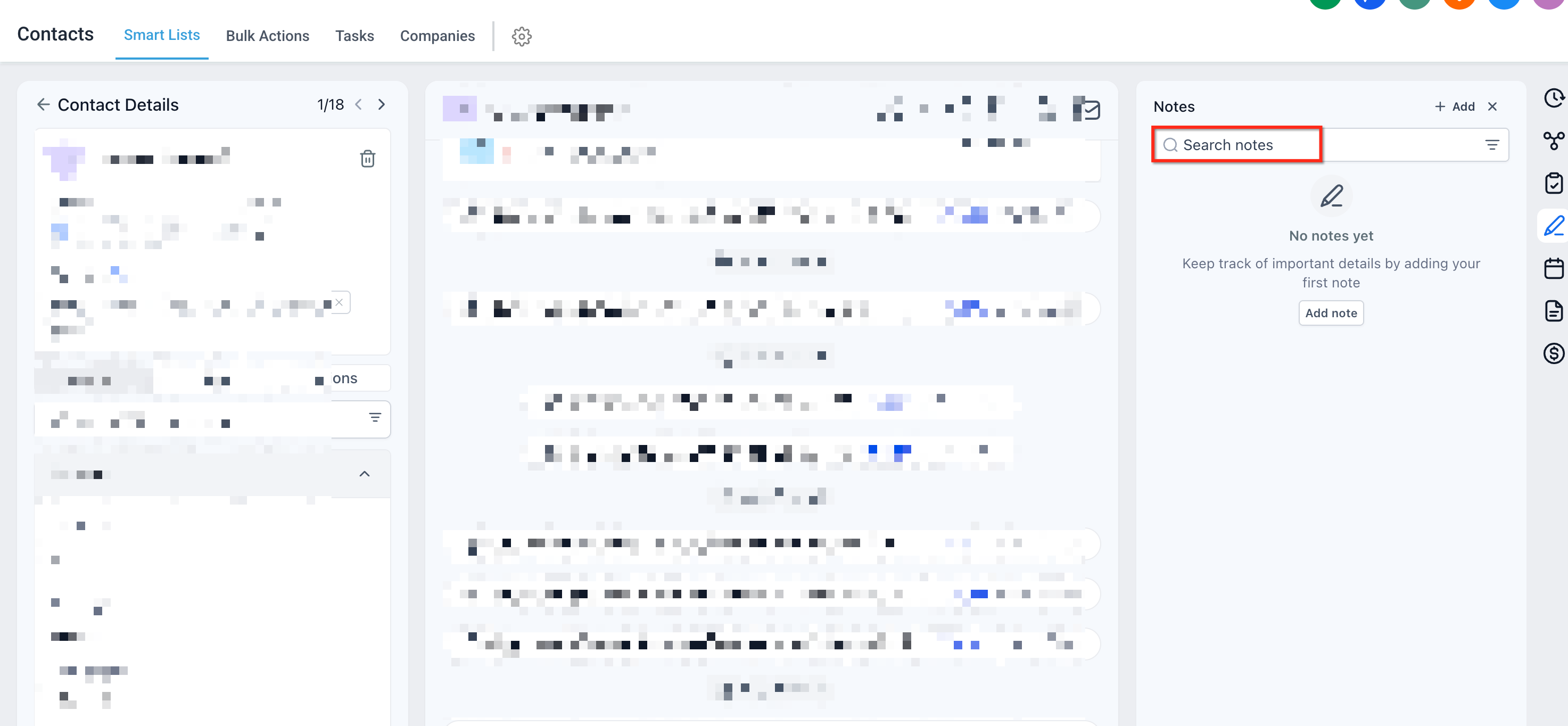
Use the Search bar in the Notes section to find entries by keywords.
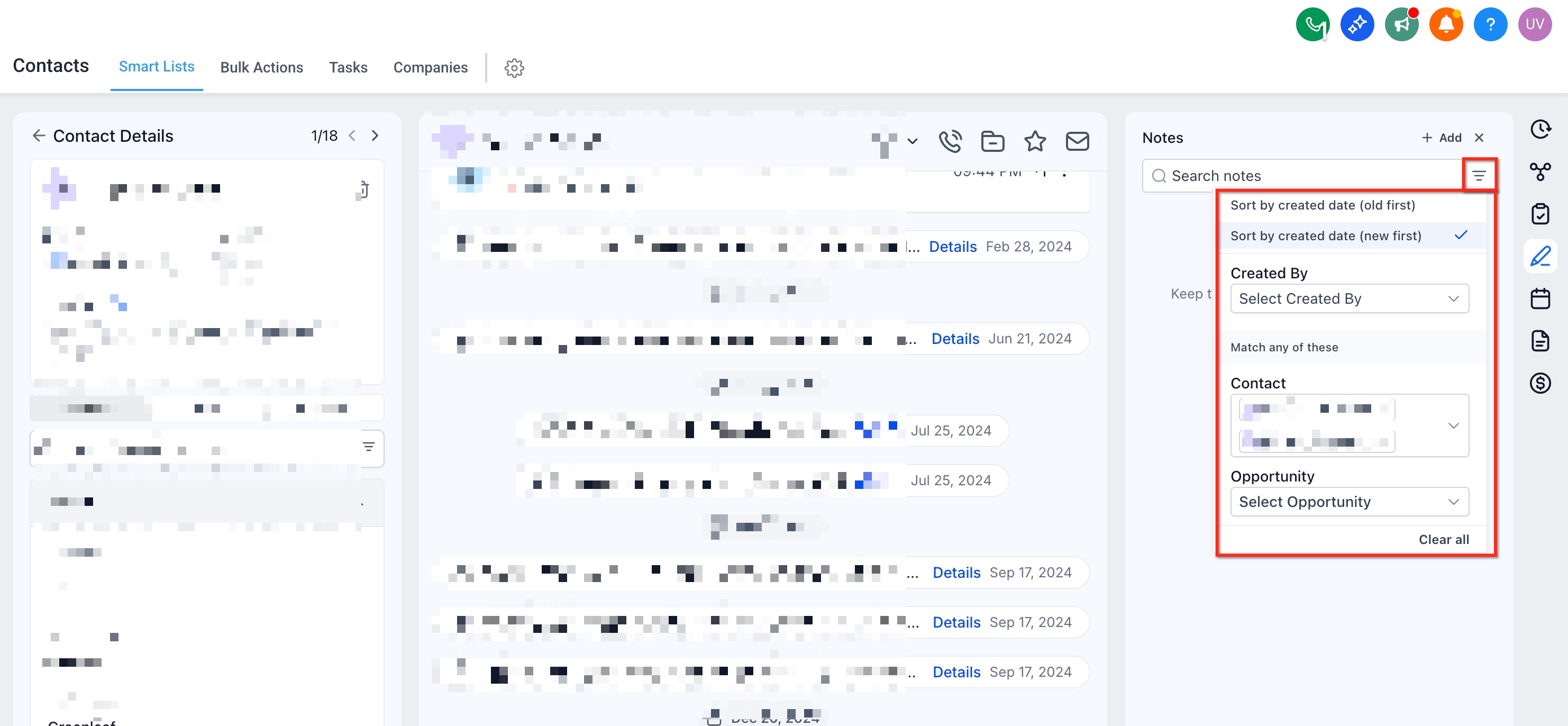
How to Sort Notes by Date Created
Click the Sort icon in the Notes section to arrange notes based on when they were created. You can choose:
- Ascending (Oldest First): Displays notes starting from the earliest created, useful for reviewing the full history in sequence.
- Descending (Newest First): Displays the most recent notes at the top, making it easier to see the latest updates quickly.
How to Add Appointment Notes Across Related Records
Some notes in HighLevel originate from appointments instead of being created directly inside a contact or opportunity record. Internal appointment notes can appear on the associated Contact, Opportunity, and Conversation records, giving teams access to the same appointment context across modules.
This behavior is different from a contact note created directly in the contact record. A contact-created note stays on the contact side and does not sync back into the appointment record.
For setup steps, note-source filters, and sync details, see How to Create & Manage Appointment Notes & Sync them Across Records.
Frequently Asked Questions
Q: Can contacts see the notes added to their record?
No. Notes are for internal use only. Clients cannot view notes in their portal, emails, or any external communications.
Q: Who on my team can view notes?
Any team member with access to the record (contact, opportunity, or company) can view notes. Visibility may depend on user roles and permissions.
Q: Can I export or download notes for reporting?
Notes cannot be directly exported as a standalone report. However, they can be included when exporting records (such as contacts) via the Smart Lists feature.
Q: Are notes included in automations or workflows?
Notes themselves cannot trigger automations. However, actions related to the contact or opportunity (such as status updates) can be used in workflows alongside manually created notes for context.
Relevant Articles
Was this article helpful?
That’s Great!
Thank you for your feedback
Sorry! We couldn't be helpful
Thank you for your feedback
Feedback sent
We appreciate your effort and will try to fix the article